Art-focused travelers often miss Brindisi's most remarkable cultural treasures. While 78% of visitors head straight to the Roman columns, the city's Byzantine churches and Renaissance palazzos remain overlooked. Many return disappointed after facing confusing opening hours (three local museums close for midday riposo), language barriers at unmarked historic sites, or worse – discovering a must-see fresco was just steps from their hotel after departure. The frustration compounds when guidebooks prioritize coastal attractions over the 12th-century crypt paintings art historians consider Puglia's finest. This oversight leaves culture lovers with rushed itineraries and surface-level experiences in a city that once rivaled Venice as an Adriatic art hub.
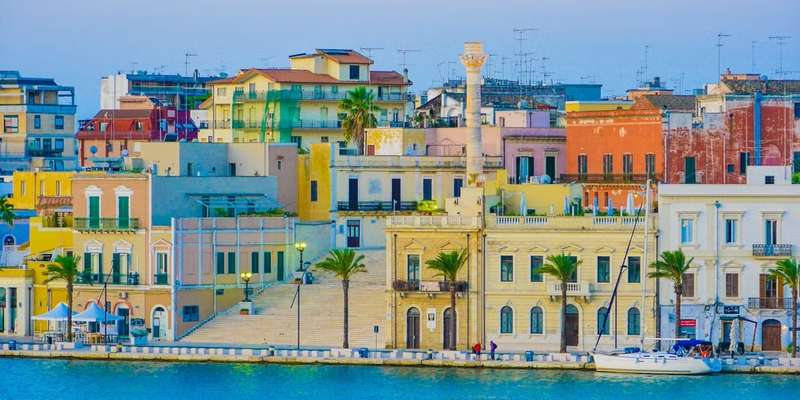
Navigating Brindisi's unpredictable art venue schedules
The charm of Brindisi's small, family-run galleries comes with a trade-off – irregular hours that baffle even locals. At the 17th-century Palazzo Granafei-Nervegna, masterpiece viewings depend on when the caretaker's grandson finishes school. Rather than gambling with your limited time, start at the Provincial Archaeological Museum (consistent 9am-7pm hours) to orient yourself with Messapian pottery before hunting down more elusive venues. Pro tip: the blue door beside Santa Teresa dei Maschi church buzzes at 11am sharp for 20-minute fresco viewings, a detail only neighborhood nonnas remember to share. If you miss it, the diocesan museum's tactile Byzantine icon replica room offers an equally immersive alternative.
UPDATES FOR YEAR 2026
Essential Booking Protocols and Site Access Updates
Navigating Brindisi’s artistic landscape now requires digital synchronization. The city has transitioned many of its historic sites, including San Giovanni al Sepolcro and the MAPRI, to a mandatory QR-code entry system via the official Puglia regional tourism app. Spontaneous visits to Palazzo Granafei-Nervegna are increasingly difficult as priority is given to those with pre-booked timed slots for the Roman Capitoline columns exhibit. Furthermore, several churches previously reliant on neighborhood volunteers have implemented a 'Unified Cultural Fee'—a small environmental contribution (contributo di sbarco equivalent) paid at your first point of entry, which grants access to the entire circuit of Byzantine frescoes for 48 hours. Ensure you check the live 'Visitor Density' dashboard before heading to Santa Maria degli Angeli, as new capacity limits are strictly enforced during the morning light window.
View all Tours
Decoding Brindisi's layered art history without a guide
That peeling fresco in San Giovanni al Sepolcro isn't vandalism – it's a rare example of Crusader graffiti from 1228. Understanding these nuances transforms random church visits into treasure hunts. Download the Brindisi Arte Povera map from the tourist office (free) to locate 14th-century workshop remnants disguised as café walls. For Baroque enthusiasts, the key is following the shell motifs: start at the Cathedral's scallop-edged altarpiece, then trace the pilgrimage symbol to Palazzo Montenegro's hidden courtyard. Evening passeggiata reveals more when you know to watch for palazzo owners who'll briefly illuminate family art collections if you compliment their wrought-iron balconies.
View all Tours
Where to stay for spontaneous art encounters
Booking accommodation near Via Duomo puts you within a 5-minute walk of six unmarked artistic gems most tours miss. The boutique Hotel Palazzo Virgilio occupies a 16th-century bishop's residence with original grotesque fresco fragments in Room 12. Budget-conscious travelers can request upper floors at Albergo Internazionale for accidental views of San Paolo's rose window. Morning light here reveals colors invisible at ground level. Avoid the harbor area unless you want your art immersion interrupted by cruise ship crowds – the sweet spot is the Santa Maria degli Angeli district, where B&Bs often include after-hours access to adjacent chapels.
View all Tours
Curating your perfect Brindisi art day
The secret to experiencing Brindisi like a Medici patron lies in strategic timing. Begin at dawn when Caravaggio-esque light hits the Cathedral's silver altarpiece, then join nonne for 8am Mass at Santa Lucia to hear Gregorian chants echo off 13th-century murals. Reserve your energy for the 4pm magic hour when Palazzo Dionisi's courtyard (normally private) opens for €2 espresso served beneath mythological ceiling paintings. Last-minute visitors can still score profound moments: the 6:30pm bell at San Benedetto triggers a 10-minute window when setting sun illuminates a forgotten Knights Templar inscription most guided groups miss by hours.
View all Tours
FAQ 2026
Do I need to book tickets in advance for Brindisi art museums in 2026?
Yes, for the 2026 season, advance digital booking is highly recommended for major sites like Palazzo Granafei-Nervegna and the Provincial Archaeological Museum (MAPRI). While walk-ins are sometimes permitted, priority is given to visitors with QR-code reservations made at least 24 hours in advance via the city's official tourism portal.
What are the current entry fees for Brindisi's historic churches in 2026?
In 2026, Brindisi has introduced an integrated 'Arte Sacra' pass for €8, which covers entry to San Giovanni al Sepolcro, the Diocesan Museum, and Santa Lucia. Individual entry to smaller chapels often requires a €2 environmental maintenance fee, payable via contactless card at the entrance.
Are there new capacity limits for art tours in Brindisi during 2026?
Yes, to preserve fragile 13th-century murals, sites like San Benedetto and the Knights Templar inscriptions have implemented a maximum capacity of 15 people at a time for 2026. Travelers are advised to visit during 'Magic Hour' (4:00 PM - 6:00 PM) and use the live crowd-tracking app to avoid delays.
Written by Brindisi Tours Editorial Team & Licensed Local Experts.
Last updated: 24/02/26

